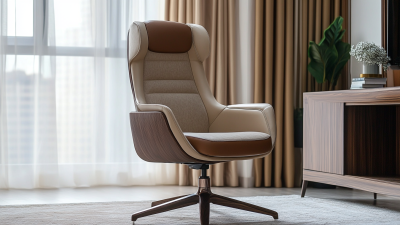
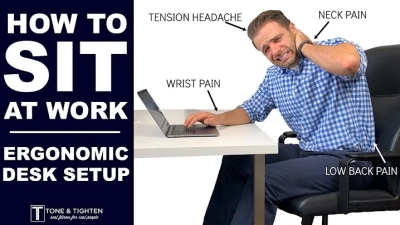
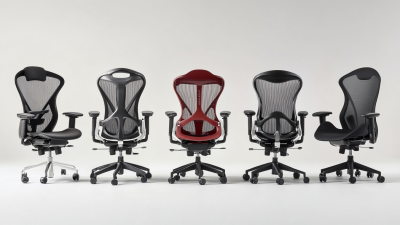
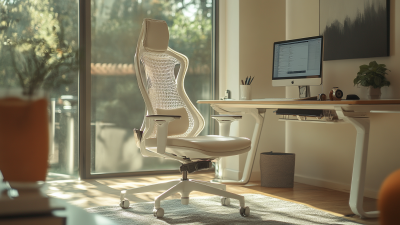
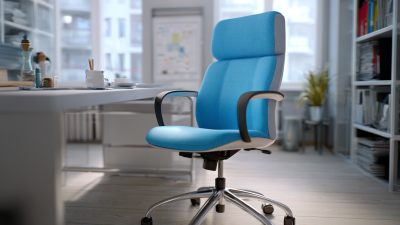
When it comes to feeling truly comfortable at work, picking the right chair is a total game-changer. You might want to check out the Comfiest Office Chair; trust me, it’s worth it. Jennifer Smith, who’s a well-known ergonomic expert over at ComfortWorks, always says, “A good chair can make hours of work feel way easier.” Her words really hit home — it’s so important to give some real thought to what you sit on all day long.
Let’s be honest—most of us spend tons of time sitting, so having a chair that actually supports you makes a huge difference. Imagine sinking into something that fits just right, giving your back the support it needs, and letting you focus on whatever’s in front of you. Sadly, many folks overlook this part, choosing style over comfort. But honestly, a chair should do more than look nice — it should support your health too.
Finding that perfect, comfy office chair isn’t just a quick run to the store; it’s about checking out things like adjustability, the materials used, and how well it supports you. The harsh truth? A lot of chairs out there don’t quite live up to expectations. They can leave you with aches, discomfort, and even make you less productive. So, it’s a good idea to ask yourself — is your current chair helping you sit correctly and stay healthy, or is it just an eye-catching piece that’s more about style?
Understanding Ergonomics: Key Elements for Comfort in Office Chairs
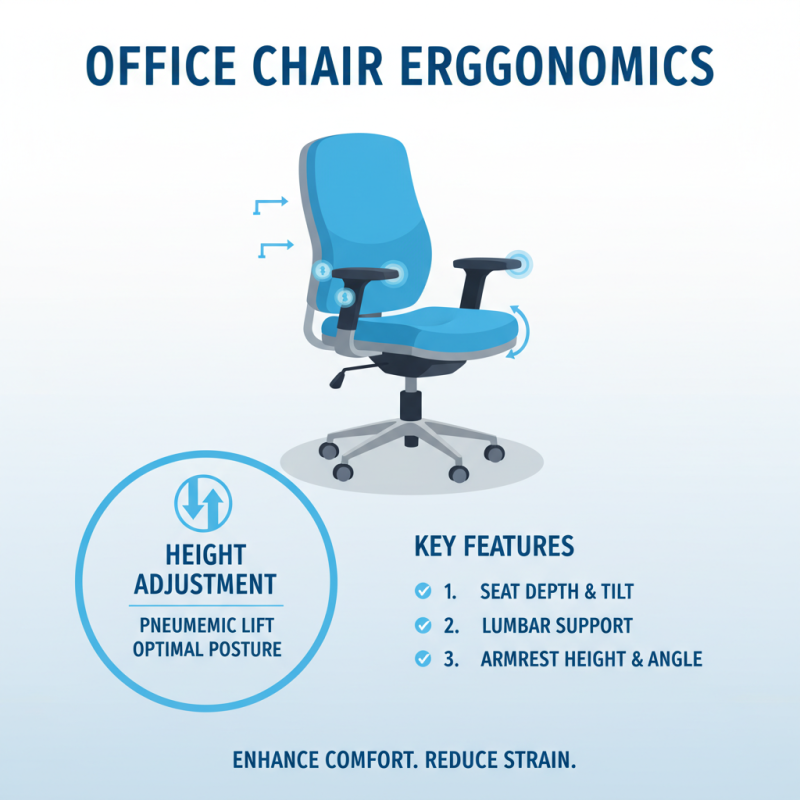
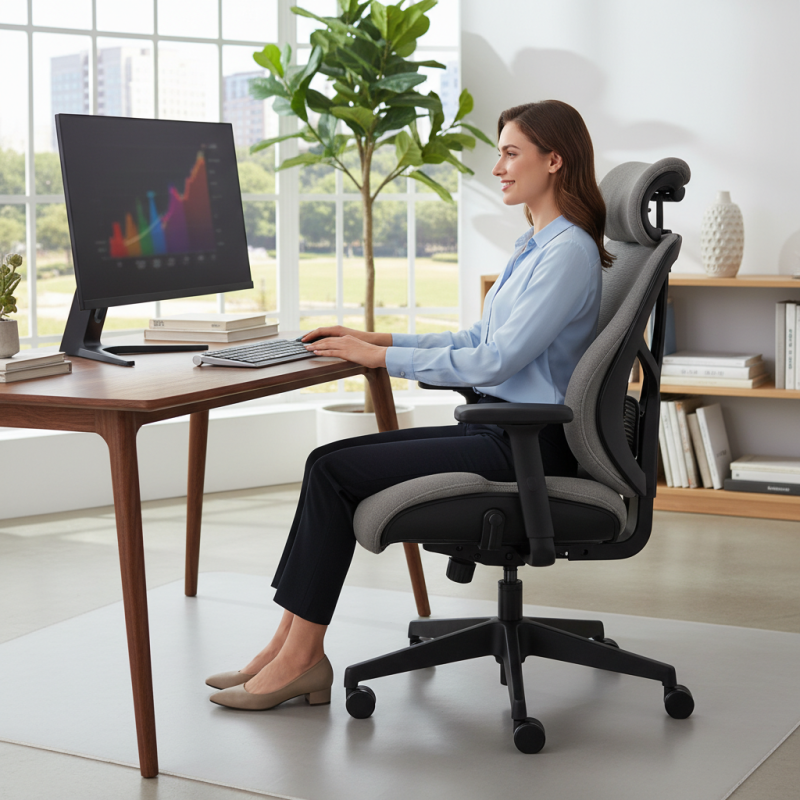
When choosing a Chair Office Chair, understanding ergonomics is essential. Ergonomics focuses on how furniture supports human body functions. A well-designed chair can prevent discomfort over long hours of sitting. For instance, a chair should have adjustable height features. This facilitates proper alignment with your desk, reducing strain on your neck and back.
Support is another key element of Ergonomic Chairs. Lumbar support is vital; it should fit the curve of your lower back. If it doesn't, discomfort is likely. The seat depth should allow your back to rest against the chair while keeping your knees slightly bent. A good range of motion will also help. Armrests, if present, should support your arms without lifting your shoulders.
Aesthetics matter too, but comfort should be the priority. Many people sacrifice comfort for appearance. It’s a common mistake. Just because a chair looks good doesn’t mean it feels good. Experimenting with different styles helps. The ideal Chair Office Chair will adapt to your needs, not the other way around. Pay attention to how you feel after hours of work. This reflection can save you from long-term discomfort.
Ultimate Tips for Choosing the Comfiest Office Chair
| Feature | Importance Level (1-5) | Notes |
| Adjustable Seat Height | 5 | Allows for ergonomic positioning to reduce strain. |
| Lumbar Support | 5 | Supports lower back to prevent discomfort. |
| Armrest Adjustability | 4 | Helps reduce shoulder strain and allows for comfort. |
| Seat Depth Adjustment | 3 | Ensures proper thigh support for various body types. |
| Breathable Upholstery | 4 | Prevents overheating during long hours of use. |
| Swivel Base | 3 | Enhances mobility and reduces strain from reaching. |
| Stable and Sturdy Base | 5 | Ensures safety while sitting and moving. |
Materials Matter: Choosing the Right Upholstery for Your Chair
When choosing An Office Chair, upholstery selection is critical. It directly impacts comfort and durability. Upholstery materials can influence your overall seating experience. According to the Chartered Institute of Ergonomics and Human Factors, the right fabric can improve user satisfaction by up to 30%.
Natural fibers like cotton and wool offer breathability. They help regulate temperature, keeping you comfortable throughout the day. Synthetic materials, such as polyester, are often more durable. They resist wear and stains better than natural fibers. However, they can trap heat and sweat, leading to discomfort during long work hours. A recent report by the Ergonomics Society highlighted that 70% of employees report discomfort from poor chair materials.
Meanwhile, cushioning is often overlooked. The thickness and density of foam can affect posture and relaxation. A chair with ample support in the back and seat can prevent chronic pain. While many opt for plush comfort, too much cushion may hinder proper posture. It’s a balance between comfort and support. High Chair Office Chair designs often struggle with this trade-off. You may find disappointment if you choose a beautifully upholstered chair with insufficient back support.
Adjustability Features: Enhancing Comfort Through Customization
When selecting an office chair, adjustability features play a crucial role in enhancing comfort. A chair's height can impact posture significantly. Look for chairs with pneumatic height adjustment for an easy and precise fit. This allows you to align your chair with your desk perfectly, reducing strain on your neck and back.
Another important feature is lumbar support. Chairs with adjustable lumbar support can properly contour your lower back. This helps maintain the natural curve of your spine. Experimenting with this setting can really make a difference. It may feel odd at first, but you might find a position that offers better support.
Armrest adjustability can also affect your experience. Search for options that allow you to modify the height and width. A well-positioned armrest helps alleviate shoulder tension. Your goal should be to keep your arms relaxed. Pay attention to how your body reacts. A minor adjustment can significantly improve comfort levels.
Understanding Chair Dimensions: How Size Affects Comfort
Choosing the right office chair is crucial for comfort. However, chair dimensions often go unnoticed. The size of the chair affects your posture and support significantly. When it comes to seat height, consider how your feet reach the ground. A chair that's too high can cause strain on your legs, while one that's too low can lead to discomfort over time.
The seat width and depth also play a vital role. A narrow seat may pinch your hips, while a deep one may make you feel lost. Finding the perfect fit requires measuring your proportions. Pay attention to the backrest height, too. It should support your lower back without forcing you to lean awkwardly. Many neglect this detail, leading to long-term discomfort.
Armrest height should align with your desk. If they are too high or low, they can create tension in your shoulders. It's essential to test chairs before buying. Even if a chair looks good, it might lack the necessary adjustments. Remember, comfort is personal. What works for one person may not work for another. Thus, experiencing the chair before making a choice is critical.
Lumbar Support: The Importance of Back Support in Office Chairs
When selecting an office chair, lumbar support plays a crucial role. Studies show that 80% of adults experience back pain at some point. Poor chair design is often a factor. Many office workers spend over eight hours seated daily. Without proper support, their posture deteriorates. This can lead to long-term health issues.
Effective lumbar support encourages a natural spine curvature. A good chair should allow you to adjust the backrest. Research indicates that ergonomic chairs can reduce back pain by up to 50%. Yet, not all chairs offer adequate support. It's essential to try before you buy. An Office Chair Desk Chair should conform to your body, not the other way around.
In choosing the right office chair, also consider seat height and depth. These factors greatly impact comfort. A chair that feels right in the beginning may not feel so good later. Continuous discomfort can affect concentration and productivity. Pay attention to how your body feels. If you’re constantly shifting or adjusting, it’s a sign that your seat doesn’t fit.
Ultimate Tips for Choosing the Comfiest Office Chair
This chart illustrates the importance ratings of various features for comfort in Office Chairs, with a focus on lumbar support, seat padding, armrest adjustability, chair height adjustment, and material breathability. A higher rating indicates greater importance when selecting an office chair.
Testing and Trying: How to Select the Right Chair for You
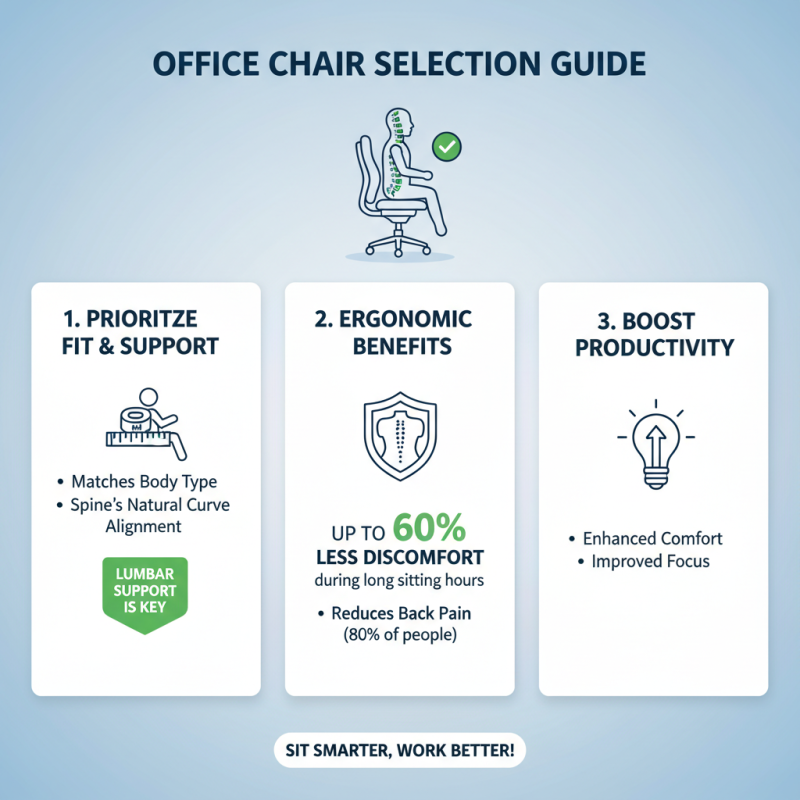
Selecting the right office chair is crucial for comfort and productivity. When testing chairs, prioritize the fit and support for your body type. Research shows that ergonomic chairs can reduce discomfort by up to 60% during long hours of sitting. Check if the chair aligns with your spine’s natural curve. A lumbar support is key, as nearly 80% of people experience back pain at some point.
During your trials, consider adjustability. A chair should have adjustable height, armrests, and reclining features. Studies indicate that Adjustable Chairs improve user satisfaction by nearly 50%. Sit in different chairs for at least 10 to 15 minutes. Notice any strain on your back, thighs, or shoulders. Even a small adjustment can make a significant difference.
Pay attention to the material as well. Mesh chairs offer breathability, while padded seats may provide more comfort. However, some people find padding uncomfortable after extended use. Reflect on your experiences. What felt good initially might not suit long hours. Test various options and pay attention to your body's signals. This process may feel daunting, but it’s essential to find the right fit. Your comfort at work depends on it.
Budgeting for Comfort: Finding Value in Quality Office Chairs
When selecting an office chair, it's crucial to balance comfort and budget. Remember, investing in quality pays off. Cheaper chairs may seem tempting, but they often compromise support. An Arm Chair Desk Chair might cost more upfront, but it can prevent discomfort in the long run.
Look for chairs with adjustable features. These can help you tailor the fit to your specific needs. Consider the material, too. Breathable fabrics offer better airflow and comfort. Leather might look good but can get hot. A chair that feels right during a two-hour meeting might also feel like a burden in an eight-hour workday.
Prioritize ergonomics. Chairs that promote good posture are fundamental. Simple adjustments can make a significant difference. Don’t skip testing the chair before buying it. Spend a few minutes sitting in it. It should support your back and allow for movement. You must feel secure, not just comfortable. Thoughtfully consider how the chair fits your workspace and your body.
Enhancing Productivity: Insights from Industry Reports on Ergonomic Design and the JS-ST21 Intelligent Office Desk
In an era where productivity is paramount, ergonomic design plays a critical role in enhancing workplace efficiency. The JS-ST21 Intelligent Office Desk exemplifies this philosophy, offering a seamless blend of functionality and comfort. Available in three sizes—JS-ST21-1260 (1200*600*720-1370mm), JS-ST21-1465 (1400*650*720-1370mm), and JS-ST21-1670 (1600*700*720-1370mm)—these desks cater to various spatial needs, ensuring that every worker can find their ideal setup.
Crafted from environmentally friendly oak finished board, the JS-ST21 promotes a sustainable work environment while providing durability and aesthetic appeal. Its metal electrical height adjustment mechanism ensures that users can effortlessly transition between standing and sitting positions, adapting to their comfort preferences throughout the day. Furthermore, with the added convenience of two drawers, the JS-ST21 offers ample storage space, helping to maintain an organized and efficient workspace. This intelligent design not only elevates the physical workspace but also contributes to better posture and increased focus, ultimately leading to enhanced productivity.
FAQS
: This product aims to improve user efficiency and satisfaction. It helps with daily tasks.
It utilizes simple mechanisms to perform various functions. Users can easily navigate its features.
Generally, beginners might find it challenging at first. However, guidance is available to assist users.
Users often struggle with setup and understanding advanced features. Patience and practice can help.
Yes, but younger users may adapt faster. Older users might need additional support initially.
Certain functions may not work seamlessly in all settings. Users should be mindful of these factors.
Troubleshooting guides are provided. If issues persist, reaching out for help is recommended.
Integration is possible but may vary. It depends on the tools being used alongside it.
Regular updates are advisable for optimal performance. Users should stay informed about available updates.
Familiarizing yourself with all features is key. Setting goals can also enhance the overall experience.
Conclusion
Choosing the comfiest office chair is essential for maintaining comfort and productivity in the workplace. Understanding ergonomics is the first step, as key elements such as seat height, backrest angle, and armrest height play a significant role in overall comfort. Additionally, selecting the right materials for upholstery can enhance the chair's feel and durability, while adjustable features allow for customization to fit individual needs.
The dimensions of the chair are critical; a well-sized chair can alleviate discomfort and promote good posture. Lumbar support, designed to support the lower back, is crucial in preventing back pain during long hours of sitting. Testing chairs in person and adjusting them accordingly ensures that you find the best fit for your body. Lastly, budgeting wisely for a quality chair can lead to better long-term comfort and satisfaction, helping you secure the comfiest office chair for your workspace.